
Cooked rice is convenient for meal prep, quick lunches, and easy weeknight dinners. But unlike many people realize, it needs careful handling after cooking. Leaving rice at room temperature for too long can allow bacteria to multiply and produce toxins that reheating may not destroy.
The safest approach is simple: cool cooked rice quickly, refrigerate or freeze it promptly, and reheat it thoroughly when needed.
This guide explains how to store cooked rice safely, how long to keep it, and which habits help prevent food waste without compromising food safety.
Why Does Cooked Rice Need Special Care?
Uncooked rice can contain spores of a bacterium called Bacillus cereus. These spores can survive normal cooking temperatures.
If cooked rice is left at room temperature, the spores can develop into bacteria that multiply and may produce toxins. Some of these toxins are heat-resistant, which means reheating the rice does not necessarily make it safe again.
This is why proper storage matters just as much as cooking.
The most important rule is to avoid leaving cooked rice in a rice cooker, saucepan, or serving dish for hours after cooking.
How to Cool Cooked Rice Quickly
The faster rice cools, the less opportunity bacteria have to multiply.
Follow these steps:
- Divide the rice into smaller portions. Large quantities retain heat for longer. Separate them into shallow containers or spread the rice across a clean, shallow tray.
- Avoid leaving rice in the cooking pot. Transfer it out of the rice cooker or saucepan once cooking is finished.
- Refrigerate promptly. Do not leave rice on the counter until it reaches room temperature.
- Cover and label the containers. Once portioned and cooling safely, cover the rice and mark the preparation date.
The US FoodSafety.gov guidance recommends storing cooked food in wide, shallow containers and refrigerating it as soon as possible. The UK Food Standards Agency advises cooling rice as quickly as possible, ideally within one hour.
These are country-specific recommendations, so follow the food-safety guidance applicable where you live.
How Long Can Cooked Rice Stay in the Refrigerator?
Storage recommendations differ between food-safety authorities:
- UK guidance: Cool cooked rice quickly, ideally within one hour, refrigerate it, and consume it within 24 hours. Reheat it only once.
- US guidance: Refrigerate leftovers within two hours (within one hour when the surrounding temperature exceeds 90°F / 32°C). Keep the refrigerator at 40°F / 4°C or below, and use refrigerated leftovers within 3–4 days.
These recommendations should not be combined into a single universal storage period. Follow the relevant local guidance, particularly for rice.
For more information, consult the UK Food Standards Agency and US FoodSafety.gov.
For broader temperature and layout practices, consult our guide on How to Organize Your Refrigerator or calculate recommended storage windows with our Food Storage Calculator.
Can You Freeze Cooked Rice?
Yes. Freezing is a practical option if you have prepared more rice than you can use within the recommended refrigerated storage period.
For best results:
- Divide the rice into individual portions.
- Cool it quickly before freezing.
- Use freezer-safe, airtight containers or suitable freezer bags.
- Label each portion with the date.
- Defrost safely according to local food-safety guidance and reheat thoroughly.
Freezing portions separately also makes it easier to use only what you need.
How to Reheat Cooked Rice Safely
Reheat only rice that has been cooled and stored correctly.
For safe reheating:
- Transfer the required portion into a microwave-safe or stovetop container.
- Add a small amount of water if the rice has dried out.
- Cover it to help distribute heat evenly.
- Stir halfway through microwave reheating.
- Check that it is steaming hot throughout before serving.
USDA guidance recommends reheating leftovers to an internal temperature of 165°F (74°C). UK guidance advises reheating rice until it is steaming hot all the way through.
Do not reheat rice more than once. If rice has been left at room temperature too long or its storage history is uncertain, discard it rather than trying to make it safe by reheating.
Does the Same Advice Apply to Other Cooked Grains?
Cooked quinoa, barley, couscous, bulgur, and other grains also need prompt cooling and refrigeration.
The same basic principles apply:
- Divide large batches into shallow portions.
- Refrigerate promptly.
- Keep the refrigerator at a safe temperature.
- Use or freeze leftovers within the applicable recommended period.
- Reheat thoroughly.
However, the specific one-hour rice recommendation from UK guidance is rice-specific. Do not automatically apply it as a universal storage limit for every cooked grain.
Choosing Containers for Cooked Rice
The right container makes portioning, cooling, and storing leftovers easier.
Look for containers that are:
- Shallow enough to allow rapid cooling.
- Airtight once the food has cooled.
- Suitable for refrigerator and freezer use.
- Easy to clean and reuse.
- Available in different sizes for individual portions.
Recommended Product: Rubbermaid Brilliance Food Storage Containers
The Rubbermaid Brilliance 3.2-cup containers are a practical option for individual portions of cooked rice and other leftovers. Their transparent design makes it easy to identify stored food, while the airtight, leak-resistant lids help with everyday storage.
The product (ASIN B079M8FPTW) was recorded at #38 in Amazon’s Kitchen & Dining Best Sellers ranking on November 8, 2026. Rankings and prices change, so check the current listing before purchasing.
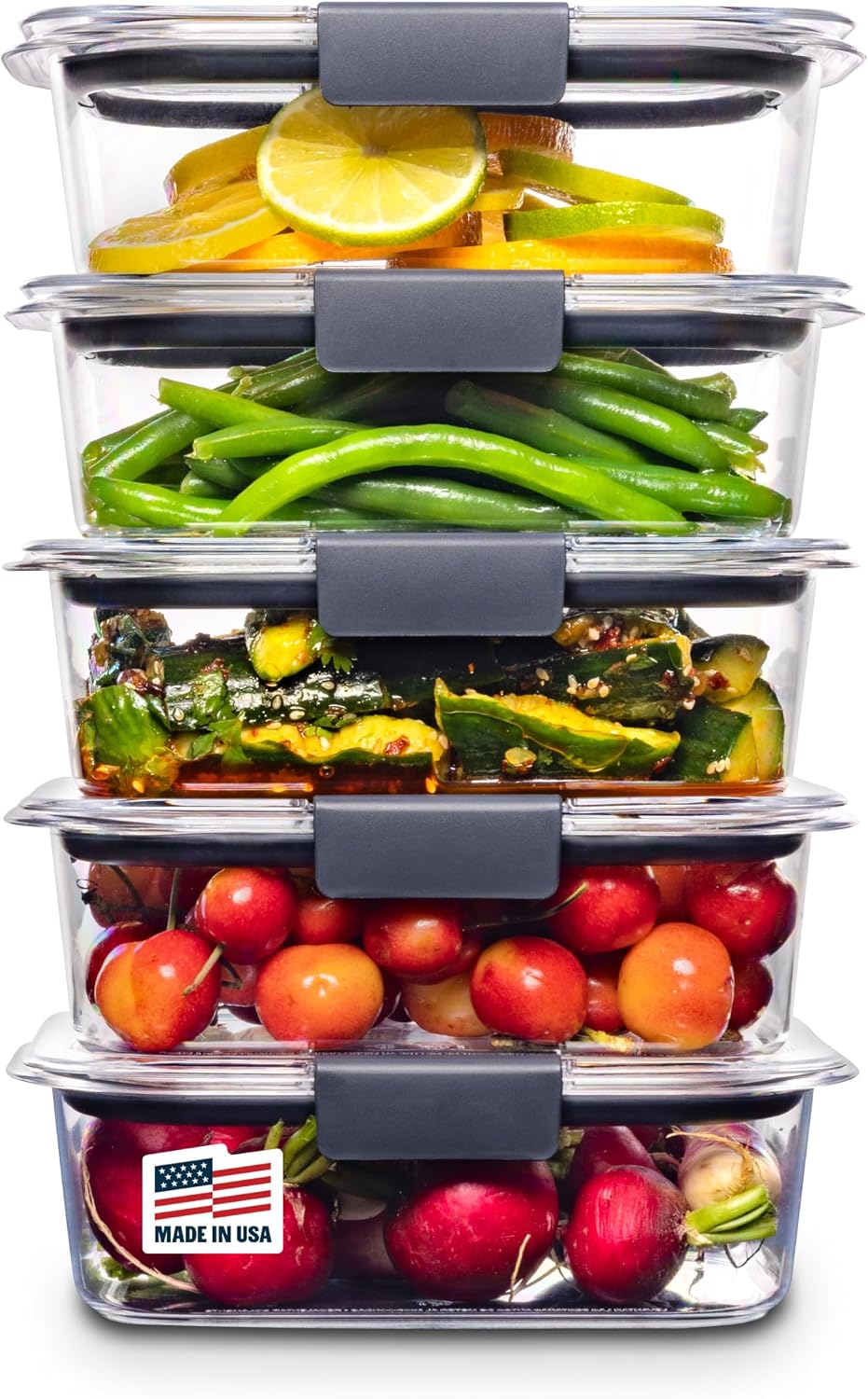
Rubbermaid Brilliance Food Storage Containers (3.2 Cup)
Crystal-clear, BPA-free Tritan food storage containers featuring 100% airtight, leak-proof latches and built-in microwave splatter vents. Exceptional for single-portion cooked grain storage and freezer prep.
As an Amazon Associate, LifeMode earns from qualifying purchases.
Final Takeaway
Safe rice storage does not require complicated equipment or elaborate meal-prep routines.
Cool rice quickly, divide it into shallow portions, refrigerate or freeze it promptly, and reheat only what you need. Most importantly, never assume that reheating can make improperly stored rice safe again.
A few consistent habits can help protect your household while making leftover rice more convenient to use.