
Cold weather puts extra pressure on your home’s heating system, plumbing, windows, roof, and exterior. A little preparation before temperatures drop can help prevent frozen pipes, reduce uncomfortable drafts, and make winter maintenance easier.
You do not need to renovate your entire home to get ready. Start with the areas most exposed to cold, moisture, and freezing temperatures, then work through the checklist below.
1. Check Windows and Exterior Doors
Windows and doors are obvious places to look for drafts, but the real problem may be damaged seals, worn weatherstripping, or gaps around the frames.
Start with a simple inspection:
- Close each window and check whether it locks securely.
- Look for cracked caulk around fixed window frames.
- Inspect weatherstripping around movable windows and exterior doors.
- Check door sweeps for gaps between the door and the threshold.
- Look for condensation between window panes, which can indicate a failed insulated glass seal.
On a windy day, move your hand carefully around window and door edges to identify noticeable drafts. A smoke pencil can also help locate air movement.
Use the right repair for the problem. Replace worn weatherstripping around movable parts, and use an appropriate exterior sealant for stationary gaps. Do not seal drainage openings or interfere with window operation.
Consider Temporary Window Insulation
If suitable windows still feel cold after basic maintenance, an interior window insulation film can provide an additional seasonal barrier.
The 3M Indoor Window Insulator Kit uses transparent heat-shrink film and mounting tape. The five-window version is designed for windows up to 3 × 5 feet each. It is a temporary insulation measure, not a replacement for repairing damaged frames, failed seals, or inadequate insulation.
Before installing it, check the window frame material, follow the manufacturer’s instructions, and make sure the film will not interfere with required ventilation or emergency escape.
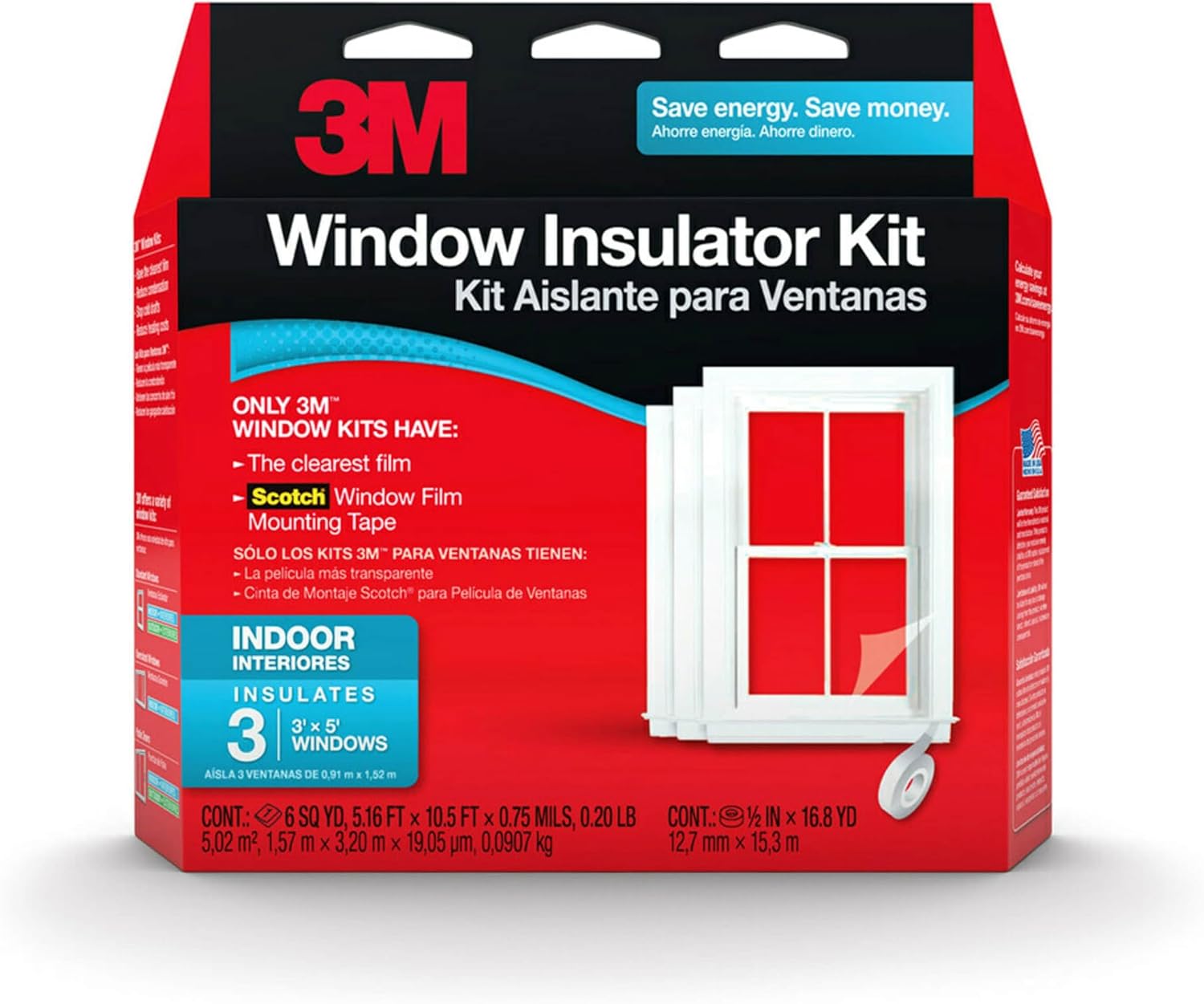
3M Indoor Window Insulator Kit – Five-Window Pack
Transparent heat-shrink film and double-sided mounting tape designed to seal indoor window drafts. Sized for up to five 3 × 5-foot windows to create an effective seasonal cold-air barrier.
As an Amazon Associate, LifeMode earns from qualifying purchases.
2. Protect Pipes From Freezing
Frozen water pipes can crack and cause serious water damage when they thaw. Pipes in unheated areas deserve particular attention.
Inspect:
- Pipes in garages, basements, crawl spaces, and attics.
- Plumbing near exterior walls.
- Pipes beneath kitchen and bathroom sinks.
- Outdoor faucets and exposed water lines.
Insulate exposed pipes with correctly sized pipe insulation. Seal air leaks near plumbing penetrations where appropriate, but do not cover electrical equipment or heating components with unsuitable materials.
Before freezing weather arrives:
- Disconnect garden hoses.
- Drain outdoor faucets and hose connections where the plumbing system allows it.
- Locate your main water shutoff valve.
- Know how to shut off the water quickly if a pipe leaks.
During severe cold, keep indoor temperatures consistent, particularly if you will be away. If a pipe freezes, do not use an open flame to thaw it. Contact a qualified plumber if you cannot safely resolve the problem.
3. Prepare Your Heating System
Your heating system will work harder during winter, so check it before the coldest weather arrives.
For a typical forced-air system:
- Replace or clean the air filter according to the manufacturer’s schedule.
- Check that supply and return vents are not blocked by furniture or curtains.
- Listen for unusual noises when the system starts.
- Make sure the thermostat responds correctly.
- Keep the area around the heating equipment clear.
If your system uses a boiler, heat pump, wood stove, or another heating method, follow its specific maintenance instructions.
Arrange professional servicing if the system is overdue for maintenance, has unusual performance problems, or shows signs of damage. Never attempt repairs involving gas lines, combustion equipment, or electrical components unless you are qualified to do so.
4. Inspect the Roof, Gutters, and Downspouts
Water that cannot drain away properly can contribute to leaks, ice buildup, and damage around the roofline.
Before winter:
- Look for loose or damaged roof coverings from a safe location.
- Remove leaves and debris from accessible gutters.
- Check that downspouts direct water away from the foundation.
- Look for signs of water staining in the attic or on upper ceilings.
- Inspect visible flashing around chimneys, vents, and roof openings.
Do not climb onto an icy, wet, or steep roof. If you notice loose materials, damaged flashing, or signs of a leak, arrange an inspection by a qualified roofing professional.
5. Check the Exterior and Foundation
Walk around your home and look for areas where cold air or water could enter.
Pay particular attention to:
- Cracks around utility pipes and cables.
- Gaps around exterior doors.
- Damaged caulk around stationary window frames.
- Cracks in exterior walls and visible foundation areas.
- Loose siding or damaged exterior trim.
Small gaps may be suitable for an appropriate exterior-grade sealant. Larger cracks, recurring moisture, or movement in the foundation should be assessed professionally rather than simply covered.
Keep soil and snow away from siding and ensure that drainage slopes away from the building where possible.
6. Test Smoke and Carbon Monoxide Alarms
Winter often means more time using heating equipment, fireplaces, and fuel-burning appliances.
Test smoke and carbon monoxide alarms according to their manufacturers’ instructions. Replace batteries or devices when required, and make sure alarms are installed in the locations required by local regulations.
Never block combustion-air openings or ventilation outlets. If you use a fireplace or wood-burning stove, have the chimney and flue inspected and cleaned as recommended.
If a carbon monoxide alarm sounds, leave the building and contact emergency services. Do not assume the alarm is faulty.
7. Prepare Outdoor Areas and Entryways
Outdoor maintenance can prevent avoidable problems once temperatures fall:
- Store or protect garden furniture and equipment.
- Drain and store garden hoses.
- Check exterior lighting near entrances and pathways.
- Secure loose outdoor objects before strong winds.
- Keep suitable snow and ice removal equipment accessible where relevant.
- Check that drains and outdoor water outlets are not blocked.
If you have a sprinkler or irrigation system, follow the manufacturer’s winterization instructions or arrange professional service.
A Simple Winter Preparation Checklist
Use this list to track the essential tasks:
- Inspect windows and exterior doors.
- Replace worn weatherstripping.
- Seal suitable stationary gaps.
- Insulate exposed water pipes.
- Disconnect and drain outdoor hoses and faucets where appropriate.
- Check the heating system and replace its filter if needed.
- Arrange professional heating maintenance when required.
- Clean accessible gutters and inspect downspouts.
- Check the roof and exterior for visible damage.
- Test smoke and carbon monoxide alarms.
- Inspect the fireplace and chimney if applicable.
- Prepare outdoor equipment and entryways.
You can also use our printable Master Seasonal Home Checklist and interactive Seasonal Maintenance Planner to customize your cold-weather maintenance schedule.
Which Tasks Should You Do Yourself?
Many winter preparation tasks are suitable for a careful homeowner: replacing weatherstripping, checking alarms, cleaning accessible gutters, and insulating exposed pipes with appropriate materials.
Other jobs require professional attention. These include roof repairs, significant plumbing work, electrical problems, combustion appliance maintenance, and major air-sealing or insulation projects.
Do not treat a temporary product as a substitute for repairing an underlying building problem.
Final Thoughts
Preparing your home for winter is mainly about identifying vulnerabilities before cold weather makes them harder to fix. Start with plumbing, heating, windows, and water drainage. Then work through the smaller maintenance tasks.
A short inspection and a few targeted repairs can make your home more comfortable and reduce the risk of avoidable winter damage.